
Senior Dog Health: The Complete Care Guide
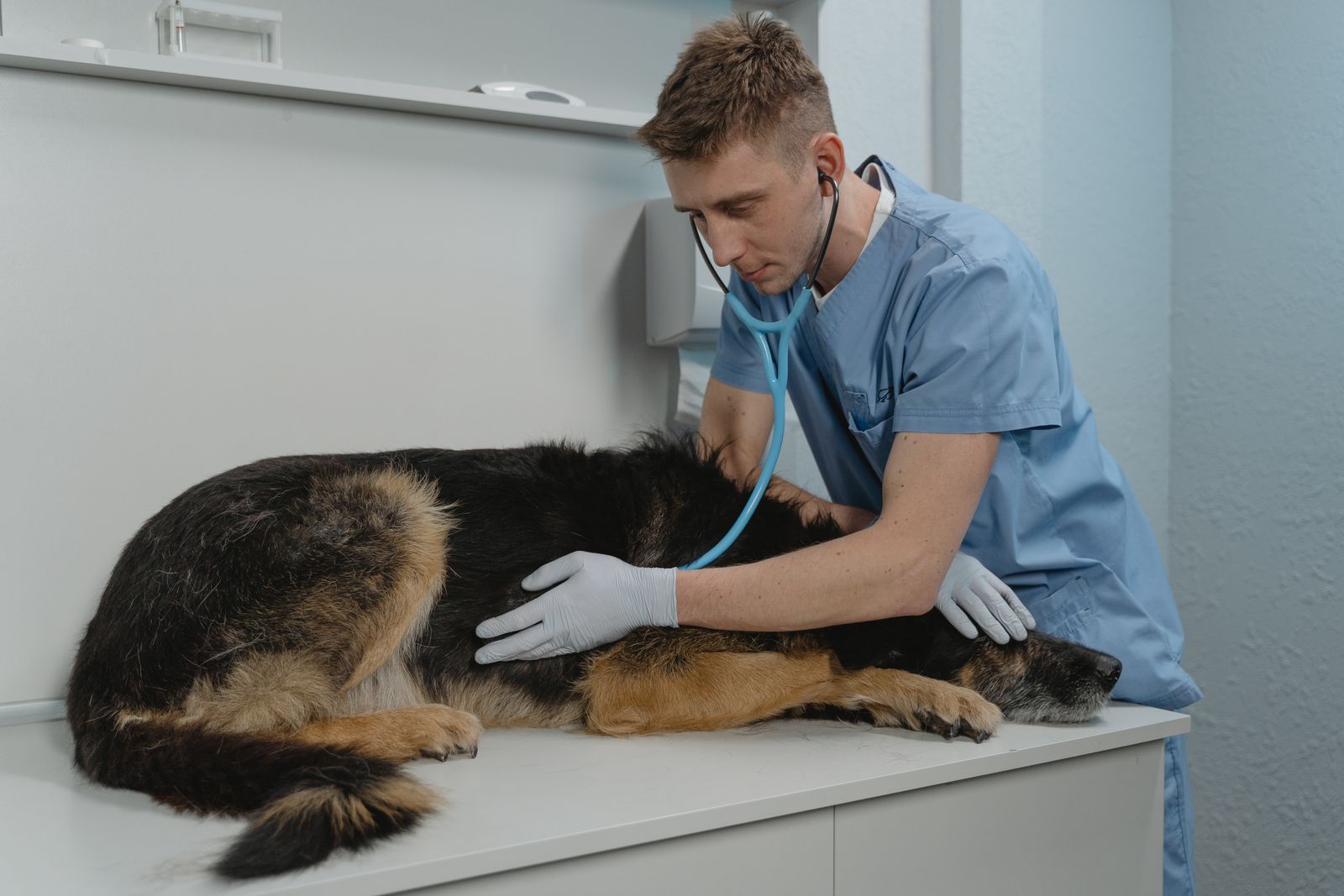
A gray muzzle is not a diagnosis. Dogs age at wildly different speeds — a Great Dane can be a senior at six while a Chihuahua is barely middle-aged at eight — and most of what goes wrong in the golden years is manageable if it’s caught early.
This guide is the hub for everything Dogtur covers about senior dog health: when a dog becomes senior, how to tell normal aging from illness, the conditions that show up most often, how frequently to see the vet and what the screenings involve, what to track at home, how vaccinations and dental care shift with age, and how to plan for the final chapter. We are not veterinarians — we are an independent senior-dog guide that defers to them — and every health claim here is sourced from veterinary organizations and literature (AAHA, VCA Hospitals, the MSD Veterinary Manual, peer-reviewed studies).
Key takeaways
- AAHA defines “senior” as the last 25% of a dog’s estimated lifespan — roughly 6–7 years for giant breeds, 8–9 for large, 8–10 for medium, and 8–11 for small. But no vet decides care by the calendar: life stage is a clinical assessment of body condition, joints, organs, and behavior.
- Old age is not a disease. Normal aging is gradual and symmetrical; illness announces itself as a change. The working policy: any noticeable change in an older dog is a vet conversation, not a shrug — “slowing down” is how owners describe arthritis and hypothyroidism alike, and most of those are treatable.
- The screening rhythm: a wellness exam twice a year, with a comprehensive CBC and chemistry panel plus urinalysis every 6–12 months (2023 AAHA Senior Care Guidelines). The point is trend-spotting — a creatinine drifting from 1.1 to 1.6 over two years still deserves attention even inside the reference range.
- At home, you’re the monitoring system: weigh your dog every one to two months, loosely track water intake (VCA’s ceiling is roughly 100 mL per kg of body weight per day — about 1.5 cups for a 10-pound dog), run your hands over the whole dog monthly for new lumps, and note behavior and mobility changes.
- For the final chapter, use the HHHHHMM quality-of-life scale (hurt, hunger, hydration, hygiene, happiness, mobility, more good days than bad), scored 1–10 each — above 35 generally suggests acceptable quality of life. When bad days outnumber good ones for more than a week or two, it’s time for a serious conversation with your veterinarian.
What is a senior dog?
A senior dog is a dog in the last 25% of its estimated lifespan, according to the American Animal Hospital Association’s 2019 Canine Life Stage Guidelines — roughly 7–8 years for the average dog, 6–7 for giant breeds, and 8–11 for small ones, because size is the single biggest predictor of how fast a dog ages.
The table below is our honest version of the “seniority chart” you’ll see all over the internet: approximate onset ranges drawn from AAHA and AVMA guidance, not a birthday rule.
| Size class | Typical weight | Considered senior around |
|---|---|---|
| Small | Under 20 lbs (9 kg) | 8–11 years |
| Medium | 20–50 lbs (9–23 kg) | 8–10 years |
| Large | 50–90 lbs (23–41 kg) | 8–9 years |
| Giant | Over 90 lbs (41 kg) | 6–7 years |
Two caveats matter more than the numbers. First, these are approximations — the AAHA definition is deliberately proportional (last quarter of expected life), so a giant breed with an expected lifespan of 8 years is “senior” at 6, while a small breed expected to live 15 is senior at 11. Second, no vet decides care based on the calendar. Life stage is a clinical assessment: body condition, joint health, organ function, and behavior. If you want the full breakdown — breed examples, the dog-years myth, and how vets actually decide — see what age is a dog considered senior?
How do I tell normal aging from illness?
Here is the rule veterinarians repeat like a mantra, and the 2023 AAHA Senior Care Guidelines open with it: old age is not a disease. Normal aging is gradual and symmetrical — a graying muzzle, a slower pace on walks, longer naps, slightly cloudier eyes. Illness announces itself as a change: the dog who suddenly drinks bowls of water, loses weight without trying, starts limping, or withdraws from the family. Your vet team’s job, in AAHA’s framing, includes correcting the common owner assumption that decline is simply unavoidable.
The honest trap is that “slowing down” is exactly how owners describe both arthritis and hypothyroidism, both of which are treatable. Our working policy: any noticeable change in an older dog is a vet conversation, not a shrug.
| Normal aging | Worth a vet visit |
|---|---|
| Gray fur around the muzzle, thinning coat | Sudden weight loss or gain |
| Sleeps more, plays in shorter bursts | Drinking or urinating much more than usual |
| Slower to rise, a little stiff after rest | Limping, crying out, or refusing walks |
| Mild cloudiness in the eyes (nuclear sclerosis) | Bumping into furniture, sudden blindness |
| Less interested in new dogs or chaos | Hiding, snapping, or sudden personality change |
| Occasional forgetfulness | Getting stuck in corners, house-soiling a trained dog |
| Thinner, duller coat | Foul breath, drooling, or refusing hard food |
| Needing a ramp for the car | New lumps, sores that don’t heal, or a swelling belly |
If your dog seems to be hurting but you can’t quite name how, our guide on how to tell if your senior dog is in pain walks through the subtle signs — the lip licks, the weight shifts, the reluctance that owners so often file under “just old.”
What are the most common health problems in senior dogs?
Senior dogs are more likely than younger dogs to carry several conditions at once, which is exactly why VCA Hospitals lists a broad differential for the senior patient: osteoarthritis, obesity, dental disease, hormonal disorders, kidney disease, liver disease, heart disease, diabetes, cancer, and cognitive dysfunction. Most senior-dog diagnoses fall into this short list — and owners who recognize the early signs get their dogs into the clinic months sooner. For conditions like kidney disease, months matter.
Osteoarthritis. The most common cause of chronic pain in dogs, full stop. North American estimates put age-specific prevalence at roughly 20% of dogs over one year old, rising to about 80% of dogs over eight (Johnston, 1997; summarized in Anderson et al., Scientific Reports, 2018). It starts quietly — stiffness after naps, reluctance on stairs — and it has no cure, only management. Everything about living with it lives in our senior dog mobility guide.
Obesity. Worth naming as a condition in its own right, not just a risk factor: veterinary oncologist Dr. Alice Villalobos has written that roughly a third of senior pets are obese, and excess weight worsens arthritis, strains the heart, and complicates anesthesia. Keeping a senior dog lean is the single most modifiable lever you have.
Periodontal disease. According to the American Veterinary Dental Society, more than 80% of dogs show signs of dental disease by age 3 — and it only accumulates from there. Senior dogs face infected gums, loose teeth, and painful chewing; VCA notes that chronic bacterial inflammation from dental disease can contribute to organ dysfunction elsewhere in the body. Decisions about anesthesia for dental cleanings in old age deserve a real conversation with your vet — the 2023 AAHA Senior Care Guidelines specifically reassure that senior pets can safely undergo multiple anesthetic events with proper protocols, so “too old for anesthesia” is not a verdict your fear gets to deliver alone.
Chronic kidney disease (CKD). Kidneys lose function gradually, and dogs compensate until they can’t — which is why the earliest signs are easy to miss: drinking more, urinating more, and a slow fade in appetite or energy. Diagnosis is bloodwork and urinalysis, and staging guides the plan.
Canine cognitive dysfunction (CCD). Dog dementia is far more common than owners realize: in a landmark 2001 study of 180 dogs, 28% of 11–12-year-olds and 68% of 15–16-year-olds showed at least one sign of cognitive impairment (Neilson et al., JAVMA). Disorientation, broken sleep, house-soiling — the DISHA signs (disorientation, interaction changes, sleep-wake changes, house-soiling, activity changes). Full coverage in our dog dementia signs guide.
Cancer and lumps. Cancer risk rises steeply with age — Dr. Villalobos has noted that roughly half of companion animals over the age of 10 face cancer and its treatment issues. New lumps in a senior dog are never a “wait and see for months” situation: most lumps are benign, but only a vet with a needle aspirate can say which.
Hypothyroidism and diabetes. Both skew older. Hypothyroidism (underactive thyroid) brings weight gain, lethargy, and a thinning coat — and is often mistaken for “just getting old.” Diabetes announces itself with excessive thirst, frequent urination, and weight loss despite a good appetite. For dogs managing thyroid issues, nutrition choices matter too — see our notes on dog foods for hypothyroidism.
Heart and liver disease. Heart murmurs, arrhythmias, and liver changes are frequently picked up at senior screenings rather than announced by symptoms — which is precisely why the screening rhythm below exists. Blood pressure screening matters here too: hypertension is common, silent, and treatable in older dogs.
How often should a senior dog see the vet?
Twice a year. That is the AAHA recommendation for senior dogs: a wellness exam every six months instead of annually, because conditions like kidney disease and hypothyroidism can move meaningfully in six months at this life stage. There is data behind the urgency — IDEXX’s analysis of more than 167,000 canine wellness profiles found that 2 in 5 senior dogs had test results indicating an impact on organ systems or physiologic processes, compared with 1 in 5 mature adults.
The 2023 AAHA Senior Care Guidelines lay out a diagnostic rhythm for senior dogs specifically:
| Test | Recommended frequency |
|---|---|
| Comprehensive CBC and chemistry panel (kidney, liver, glucose, electrolytes, SDMA) | Every 6–12 months |
| Urinalysis | Every 6–12 months |
| Tick-borne disease screening | Annually |
| Heartworm testing | Annually |
| Fecal parasite testing | 1–4 times per year, depending on lifestyle |
| Blood pressure | As part of senior screening (discuss with your vet) |
| Chest/abdominal imaging, ECG | When clinically indicated or for at-risk breeds |
(Summarized from the 2023 AAHA Senior Care Guidelines’ diagnostic table, via Veterinary Practice News.)
The point of the twice-yearly rhythm is trend-spotting — one blood panel is a snapshot; two a year apart is a movie. A creatinine of 1.6 this spring, after two years sitting at 1.1, still lands inside the reference range and still deserves attention, because the slope matters more than the cutoff. Ask your vet for an estimate before you book: a senior visit with labs typically runs in the low hundreds of dollars in the US, varying by region and what is included.
What does a senior wellness exam include?
A senior wellness exam is a nose-to-tail physical plus laboratory screening, designed to catch the conditions that seniors develop silently — kidney disease, hypothyroidism, diabetes, hypertension, and early organ changes — before they cause symptoms. In plain terms, it is the vet looking for trouble while there is still time to act.
The hands-on portion typically covers: eyes and ears (cataracts, infections, hearing), mouth and teeth (dental disease grading), heart and lungs (murmurs, arrhythmias, lung sounds), abdominal palpation (organ size, masses, pain), lymph nodes, skin and coat, body condition scoring, joint range of motion and gait, and a basic neurological check. None of this requires sedation or fancy equipment — it is skilled hands and attention, which is why the twice-yearly rhythm matters more than any single test.
How to get the most from the visit: bring your notes. A one-page summary — current food and portions, medications and supplements, the changes you have noticed with dates, and a 30-second gait video — transforms a 20-minute appointment. Ask three questions every time: “Is the weight where you want it?”, “Is anything in the bloodwork trending the wrong way?”, and “What should I watch for before the next visit?” Those three answers are the entire point of senior screening.
What should I track at home between visits?
Between visits, you are the monitoring system. The checks that catch the most trouble are unglamorous:
- Weight. Weigh on the same scale at least every two months — VCA’s guidance — or monthly. Bathroom scale, dog in arms, subtract. Weight changes can be the earliest indicator of disease, in either direction.
- Water intake. Track it loosely, because increased drinking flags diabetes and kidney and liver disease. VCA gives a useful ceiling: normal daily intake should be significantly less than 100 mL per kg of body weight per day — roughly 1.5 cups for a 10-pound dog. Keep water bowls on every floor of the house so access is never the limiting factor.
- Appetite and digestion. Note significant increases or decreases in appetite, repeated vomiting, or diarrhea lasting more than a few days.
- Mobility. How the dog rises, handles stairs, and moves on walks. Subtle changes here are often the first sign of arthritis pain — our pain-signs guide helps you read them.
- Lumps and skin. Run your hands over the whole dog monthly. New masses, open sores, or scabs that don’t heal get a vet visit, not a watch-and-wait quarter.
- Behavior. Sleep, sociability, house-training, and nighttime restlessness. Cognitive and pain changes show up in behavior before they show up anywhere else — our behavior changes guide maps the territory.
Do senior dogs still need vaccinations?
Yes — but the schedule gets personalized rather than automatic. VCA’s senior-care guidance notes that senior pets will typically receive most core vaccines every three years, while vaccines with shorter duration of immunity — kennel cough, leptospirosis, Lyme disease — may be given every six to twelve months depending on lifestyle. Senior dogs can have a decreased ability to fight infection, so keeping necessary vaccinations current matters; at the same time, a dog with serious chronic illness may have the risk-benefit math adjusted. This is a conversation for the exam room, not a default: bring your dog’s lifestyle (boarding, daycare, dog parks, travel, wildlife exposure) and let your vet tailor the protocol.
How do teeth, nails, and coat care change with age?
The small maintenance tasks get more consequential, not less.
Teeth. Daily brushing remains the gold standard; dental wipes or water additives are a fallback if brushing is a battle. Professional cleanings with full oral assessment under anesthesia are how disease below the gumline gets found and treated — and as noted above, the 2023 AAHA guidelines affirm that senior pets can safely undergo anesthesia with appropriate protocols, so age alone should not end the dental conversation.
Nails. Clip as needed to prevent overgrowth — VCA specifically flags this for seniors, because long toenails make dogs stand and walk abnormally, causing discomfort, lost traction, and worsened arthritic changes. If your dog’s nails click loudly on hard floors, they are overdue.
Coat and skin. Brush frequently to prevent mats, which can contribute to skin infections — and, as VCA notes, mats can hide skin tumors. Older dogs are more prone to cutaneous lumps, so grooming doubles as a lump check. Thinning, dull coats can also be worth mentioning at the next visit, since coat changes track with thyroid and nutrition status.
How can I keep my senior dog healthy at home?
The unglamorous basics do most of the work:
- Keep them lean. Extra weight is the single most modifiable risk factor for arthritis pain, and it worsens nearly everything else. Ribs should be easy to feel under a thin fat layer.
- Feed for the life stage. Senior dogs typically need fewer calories but just as much high-quality protein — the full picture is in our senior dog nutrition guide, including senior-specific food options.
- Move them gently, every day. Short, frequent walks beat weekend adventures; muscle is joint support. See the mobility guide for the at-home playbook, including joint supplements to discuss with your vet.
- Work their brain. Sniff walks, food puzzles, and short training sessions slow cognitive decline. See our behavior changes guide.
- Make the house senior-friendly. Non-slip rugs on slick floors, a supportive orthopedic bed, ramps instead of jumps, raised food and water bowls to spare the neck and joints. The gear side of this is our essential products for senior dogs guide.
- Keep them comfortable in weather extremes. Older dogs regulate temperature poorly — indoors most of the time, with caution on very hot or cold days.
How do I plan for my senior dog’s final chapter?
This is the section most senior-dog guides skip, and the one owners say they needed most. The 2023 AAHA Senior Care Guidelines explicitly include palliative and hospice care in what veterinary teams should discuss with families — planning for the end is part of senior care, not a failure of it.
Use a quality-of-life scale before you need one. The most widely used tool in veterinary end-of-life care is the HHHHHMM scale developed by veterinary oncologist Dr. Alice Villalobos: seven dimensions scored 1–10, with 10 being ideal — Hurt (pain control), Hunger (eating enough), Hydration (drinking adequately), Hygiene (clean and comfortable), Happiness (interest and engagement), Mobility (moving and eliminating without distress), and More good days than bad. A score above 5 in most categories, or a total above 35, generally suggests quality of life is still acceptable. Scoring weekly creates a written record — many families find the numbers confirm what their instincts already knew, and help them avoid acting either too quickly or too late. Your vet can walk through it with you; ask for it by name.
Know the “more bad days than good” heuristic. Across vet schools and hospice programs, the rule of thumb that shows up again and again: when the bad days start to outnumber the good ones, and that pattern has held for more than a week or two, it is time for a serious conversation with your veterinarian. A good day does not have to be dramatic — eating breakfast willingly, greeting you at the door, lying in a sunbeam without shifting uncomfortably.
Talk about euthanasia and hospice early. Ask your vet what end-of-life options the practice offers — in-home euthanasia, hospice support, aftercare — while the conversation is still hypothetical. Choosing euthanasia when suffering cannot be adequately relieved is a final act of care, and making the logistics decision ahead of time means the last day is about your dog, not about phone calls.
When should I call the vet?
Call promptly — same day, not next month — for any of these: difficulty breathing or blue-tinged gums; collapse or sudden inability to stand; a swollen, hard belly with retching (possible bloat); uncontrolled bleeding; repeated vomiting or diarrhea; not eating for more than 24–48 hours; straining to urinate with little output, or new incontinence; pale gums; a seizure; sudden blindness; or any sudden, dramatic behavior change. VCA’s senior red-flag list adds sustained increases in water intake or urination, weight loss, foul breath or drooling, a visibly larger abdomen, and persistent coughing or excessive panting — all worth a call in a senior dog even if they seem mild.
Only a veterinarian can diagnose your dog. Our job is to help you notice sooner and describe what you see precisely — “drinking roughly twice as much for two weeks” gets a better workup than “acting weird.”
A note on review: This guide is written from veterinary literature (AAHA, VCA Hospitals, the MSD Veterinary Manual, peer-reviewed studies) and follows our editorial policy. It has not yet been independently reviewed by a veterinarian — we’ll add a named reviewer byline when that step is complete.
Frequently asked questions
At what age is my dog officially a senior?
There’s no official birthday. AAHA defines “senior” as the last 25% of a dog’s estimated lifespan — roughly 6–7 years for giant breeds and 8–11 for small ones. Your vet’s clinical assessment matters more than the calendar. See what age is considered a senior dog for the full chart.
Is it normal for an old dog to sleep all day?
Senior dogs do sleep more — often 16–18 hours — but a sudden increase in sleep, especially with appetite or behavior changes, deserves a vet visit.
How often does a senior dog need bloodwork?
The 2023 AAHA Senior Care Guidelines recommend a CBC, chemistry panel, and urinalysis every 6–12 months for senior dogs, alongside twice-yearly exams. Dogs with diagnosed conditions like kidney disease may be tested more often to track trends.
Should I switch my senior dog to senior food?
Not automatically. “Senior” on a label isn’t a regulated life stage (AAFCO only defines growth and adult maintenance profiles), so judge the food by its nutrients, not its marketing. Our senior dog nutrition guide explains what actually matters on the label.
My senior dog has a new lump. When should I worry?
Any new lump in a senior dog should be checked by a vet — most are benign, but only a fine-needle aspirate can confirm that. Don’t wait months to find out.
Do senior dogs really need vet visits twice a year?
Yes — that’s the AAHA recommendation, and the 2023 Senior Care Guidelines back it with a specific diagnostic schedule. Six months is enough time for kidney values, thyroid levels, or a heart murmur to change meaningfully in an older dog.
Do old dogs still need vaccinations?
Generally yes, but the protocol becomes lifestyle-based: most core vaccines every three years, with shorter-duration vaccines like kennel cough or leptospirosis given more often if your dog’s lifestyle warrants it. Discuss it with your vet at the senior exam.
How will I know when it’s time to say goodbye?
Use the HHHHHMM quality-of-life scale (hurt, hunger, hydration, hygiene, happiness, mobility, more good days than bad) weekly, and talk to your vet when bad days start outnumbering good ones for more than a week or two. Planning the conversation early is part of good senior care.