
Senior Dog Mobility Guide: Arthritis & Joint Pain
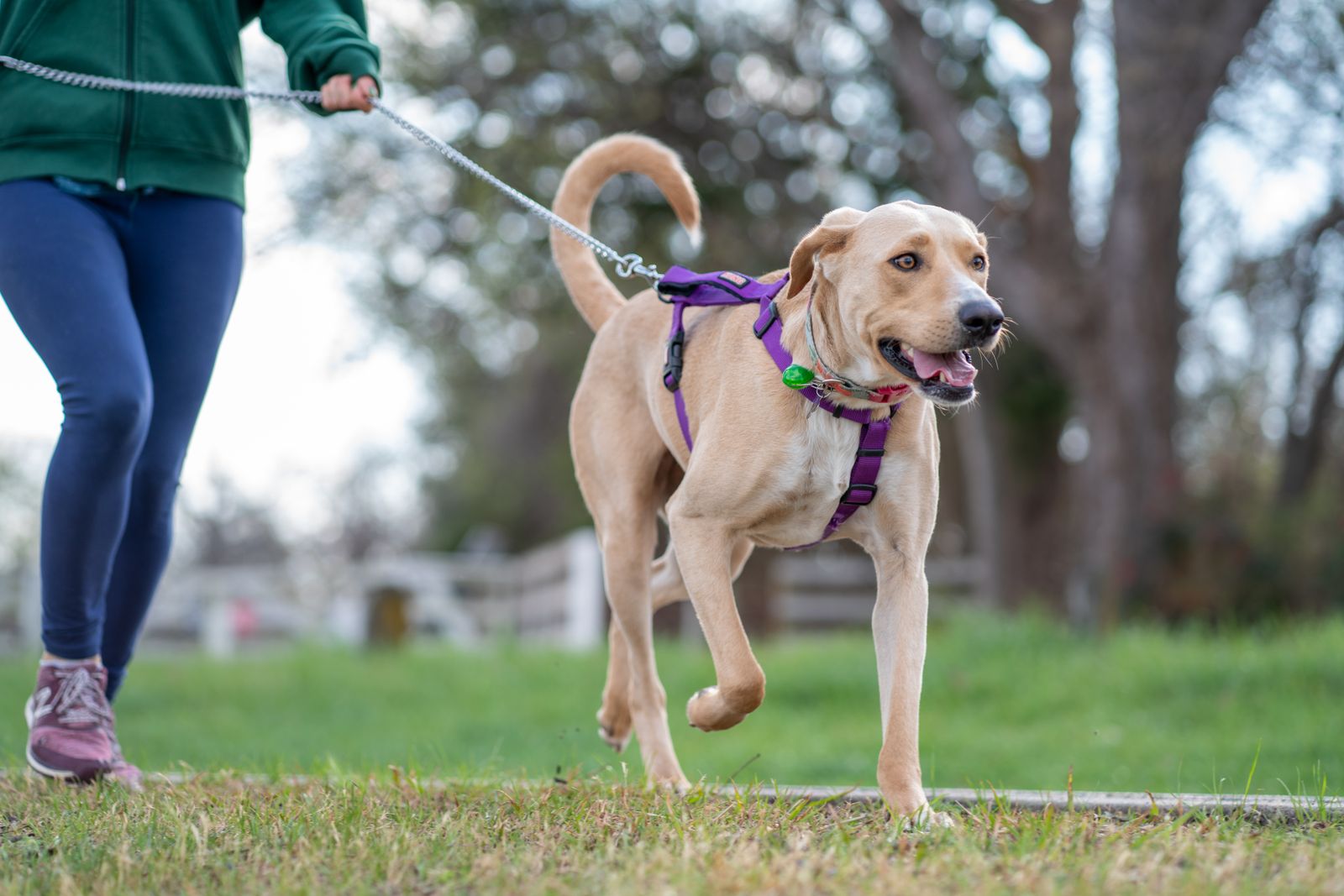
The first sign is rarely dramatic. Your dog hesitates at the stairs they’ve bounded up for a decade. They take a beat longer to stand after a nap. They still want the walk — they just can’t quite do the walk they used to.
Mobility decline is the most visible part of canine aging, and the most actionable. This guide covers why senior dogs lose mobility, how to recognize arthritis, what vets can actually do about it, the at-home changes that genuinely help — graded honestly against the evidence — and the hard question of when comfort care becomes the kindest option. For the pain-signs deep dive, see how to tell if your senior dog is in pain.
Key takeaways
- Three processes usually combine to steal mobility: osteoarthritis (roughly 20% of dogs over one year old, climbing to about 80% of dogs over eight), age-related muscle loss that destabilizes joints, and sometimes neurological disease that mimics joint pain. Excess weight worsens all three — and simple aging itself is not a cause of arthritis, per VCA Hospitals.
- Osteoarthritis has no cure — the goal is management, and the best results come from combining modalities (VCA). Vet options: NSAIDs as first-line therapy, the monthly anti-NGF injection Librela (FDA-approved 2023) for dogs that don’t tolerate NSAIDs, gabapentin, Adequan injections, and supervised rehab. Joint supplements (glucosamine, chondroitin, omega-3s) are a reasonable add-on with mixed evidence — never a plan on their own.
- Weight control is the highest-leverage intervention that costs nothing: the 2015 AAHA/AAFP Pain Management Guidelines call weight optimization chief among all modalities, with even 6.1–8.85% weight loss measurably improving clinical signs.
- Ranked by impact, the home changes that work: control weight, short-and-frequent exercise (two or three 10–20-minute walks beat one exhausting hour), non-slip rugs on traffic paths, ramps instead of jumping, a dense-foam orthopedic bed, a support harness for weak hind ends, and keeping daily life on one level.
- Two safety rules: never give human painkillers (ibuprofen, acetaminophen, and aspirin are all dangerous for dogs without veterinary direction), and learn the distinction — stiffness that improves with gentle movement points to arthritis, while weakness, toe-dragging, or knuckling points to neurological causes and a different treatment path.
Why do senior dogs lose mobility?
Three processes usually combine: osteoarthritis (cartilage loss and joint inflammation — the most common cause), age-related muscle loss that destabilizes joints, and sometimes neurological disease that mimics joint pain. Excess weight worsens all three. And notably, simple aging itself is not a cause of arthritis, according to VCA Hospitals.
Osteoarthritis. The big one. Cartilage wears, joints inflame, and bone spurs form — a degenerative cycle with no cure, only management. Most veterinary writers quote roughly 20% of dogs over one year of age as affected (Denis Marcellin-Little, DVM, writing in Veterinary Practice News), with prevalence climbing steeply in seniors. Zoetis reports that approximately 40% of dogs show signs of OA — yet only about a third of dogs with OA pain are actively being treated. Hips, elbows, stifles (knees), and the spine are the usual sites, and it typically starts silently, becoming clinically obvious only when mobility is substantially affected. It isn’t just a big-dog problem either: small breeds develop arthritis too, particularly in the spine and knees.
Muscle loss (sarcopenia). Aging dogs lose lean body mass, and muscle is what stabilizes joints. Less muscle means more joint stress, which means less activity, which means more muscle loss — the classic downward spiral. This is the mechanism you can actually fight at home: gentle, consistent exercise preserves muscle far better than weekend adventures.
Neurological causes. Not all wobbliness is arthritis. Degenerative myelopathy (a progressive spinal cord disease, common in German Shepherds and related breeds), intervertebral disc disease, and nerve compression can all mimic joint pain — hind-end weakness, dragging toes, crossing over. The distinction matters because the treatment paths diverge completely. If your dog’s back legs are weakening rather than just stiffening, ask your vet specifically about a neurological exam.
Weight sits underneath all three. Every extra pound loads arthritic joints, and the evidence is unusually clear: the 2015 AAHA/AAFP Pain Management Guidelines call weight optimization chief among all preventive and treatment modalities for degenerative joint disease, noting that even a modest 6.1–8.85% weight loss improves clinical signs (citing Marshall et al., Veterinary Research Communications, 2010). Keeping a senior lean is the highest-leverage mobility intervention that costs nothing — and the nutrition side of that is covered in our senior dog nutrition guide.
What are the signs of arthritis in dogs?
Dogs are stoic — they evolved to hide pain — so arthritis usually shows up as behavior change, not crying. Watch for stiffness after rest that eases with movement, hesitation at stairs or jumping, shorter walks, difficulty rising on slick floors, intermittent limping, licking at a specific joint, new irritability when handled, and the vague “slowing down” owners notice first.
The fuller list:
- Stiffness after rest that eases with movement (“warming out of it”)
- Hesitating at stairs, refusing to jump into the car or onto the couch
- Reluctance to walk on slippery surfaces they used to cross without thinking
- Rising using the front legs first, rocking back to stand
- Shorter walks, lagging behind, sitting down mid-walk
- Difficulty rising, especially on slick floors
- Limping that comes and goes, or shifting weight between legs
- Muscle loss around the affected joints (compare one leg to the other)
- Licking or chewing at a specific joint
- Irritability when touched in certain spots; less tolerance for handling
- Sleeping more, playing less — the vague “slowing down” owners notice first
One useful distinction, drawn by Your Pet’s Wellbeing: joint pain and arthritis aren’t the same thing. Joint pain is the symptom — it can come from a sprain, overuse, or a bad landing. Arthritis (osteoarthritis) is the chronic, progressive disease behind most persistent joint pain in seniors. A limp after a wild game of fetch may be temporary; stiffness that’s been creeping in for months deserves a vet’s assessment either way.
And one critical rule of thumb: stiffness that improves with gentle movement points toward arthritis; weakness, toe-dragging, knuckling, or sudden inability to use the legs points toward neurological or emergency causes. When in doubt, film it — a 30-second video of the gait is enormously useful to your vet. The complete checklist, including the subtle signs owners miss for months, is in our pain signs guide.
How is arthritis diagnosed?
Only a veterinarian can diagnose arthritis — but knowing the process helps you bring useful information. Expect a hands-on orthopedic exam (range of motion, pain response, gait assessment), X-rays to confirm joint changes and rule out fractures, tumors, or disc disease, and usually bloodwork to establish organ-function baselines before any long-term medication.
Your contribution matters more than most owners realize. “She’s stiff every morning for about twenty minutes, then fine” is diagnostically useful in a way “she seems sore” isn’t. Keep a week of notes — what you see, when, and what triggers it — and bring the 30-second gait video. Adrenaline masks pain beautifully in the exam room, so your observations of the unguarded dog at home carry real weight.
Vets also think in stages: canine osteoarthritis progresses through roughly four stages, and the treatment plan intensifies accordingly — from owner education, weight management, and exercise modification early on, to layered medications and rehab as the disease advances (summarized in staging guidelines for vets at Online Pet Health). Early diagnosis genuinely changes the trajectory, because management works best before the downward spiral of pain → inactivity → muscle loss sets in.
What can the vet actually do about arthritis?
There is no magic bullet — VCA Hospitals puts it plainly in their arthritis in dogs guide: “The goal is to manage OA rather than treat it, because OA cannot be cured… the best results come from combining multiple treatment modalities.” That multimodal approach is the honest frame for everything below. These are treatment classes, named so you can have an informed conversation — your vet chooses and doses.
Veterinary NSAIDs (e.g., carprofen, meloxicam, deracoxib, grapiprant, robenacoxib, firocoxib): the first-line pharmaceutical therapy for osteoarthritis pain in dogs, with what the 2015 AAHA/AAFP guidelines describe as strong evidence behind them. Effective — but they require monitoring, because GI, kidney, and liver side effects are real with long-term use. Your vet will want baseline bloodwork and periodic rechecks.
Anti-NGF monoclonal antibody (bedinvetmab, marketed as Librela): a monthly injection that targets nerve growth factor, a key driver of OA pain signaling. It became the first monoclonal antibody approved in the US for controlling OA pain in dogs when the FDA approved it in 2023. In the two field studies supporting approval, Librela-treated dogs showed reduced OA pain versus placebo, with improved mobility and quality of life — though Zoetis notes effectiveness may not be seen until after the second dose, with some dogs responding within about a week. A strong option for dogs that don’t tolerate NSAIDs well; discuss candidacy with your vet.
Gabapentin: addresses chronic pain differently from NSAIDs and complements them. VCA specifically notes it’s especially helpful when the patient is older and unable to take an NSAID.
Joint injections (polysulfated glycosaminoglycan, Adequan): a disease-modifying osteoarthritis drug given as a course of injections over several weeks, per VCA Hospitals. It may take up to four weeks to see benefit; evidence is modest but some dogs respond.
Rehabilitation therapies: physical therapy, hydrotherapy/underwater treadmill, laser therapy, and acupuncture. Evidence varies by modality, but the AAHA/AAFP guidelines list nonpharmacologic treatments with strong evidence — cold compression, weight optimization, therapeutic exercise — alongside rehab and acupuncture as gaining acceptance. Supervised rehab consistently helps preserve the muscle that protects bad joints, and a certified rehab professional can design a home program in a single session.
Weight management: not optional garnish. The AAHA/AAFP guidelines put it first among all modalities, and the research behind that ranking (Marshall et al., 2010) found measurable improvement in mobility from even modest weight loss. If your senior is overweight, a vet-supervised slim-down often improves mobility more than any supplement.
Surgery: for specific structural problems (cruciate rupture, severe hip dysplasia), not for generalized age-related arthritis.
Supplements (glucosamine, chondroitin, omega-3s, green-lipped mussel, MSM) sit in the honest middle: widely used, generally safe, mixed clinical evidence. Reasonable additions, never a plan on their own. Our best joint supplements for senior dogs review checks what’s actually in the bottle.
Safety warning — read this before giving anything: Never give your dog human painkillers. Ibuprofen is, per the MSD Veterinary Manual, “no longer recommended in dogs, because it may result in gastric ulcers and perforations” — it has a narrow margin of safety, with GI ulceration, hemorrhage, and kidney damage the most commonly reported toxic effects. Acetaminophen (Tylenol) can destroy red blood cells and damage the liver. Even a single dose can be dangerous depending on the dog’s size. If your dog is in pain tonight, call your vet or an emergency clinic rather than raiding the medicine cabinet.
What can I do at home to help my dog move better?
The home environment is where most mobility care actually happens. Ranked by impact:
1. Control weight. The foundation everything else stands on. A vet-supervised slim-down often improves mobility more than any supplement — see the evidence note above. Our nutrition guide covers senior feeding without the guesswork.
2. Exercise — short and frequent. Two or three 15-minute walks beat one exhausting hour. Swimming and underwater treadmill work build muscle without joint pounding. Stop before your dog is exhausted; “tired but happy” is the target, “limping tomorrow” means you overdid it.
3. Fix the floors. Slick hardwood and tile are an arthritic dog’s nemesis — every slip costs confidence and risks injury. Non-slip rugs or runners on main traffic paths, yoga-mat strips by the bed and food bowls, and keeping nails trimmed (long nails worsen slipping and change weight distribution) transform daily life. Some vets also suggest traction aids like toe grips for dogs that still slide.
4. Eliminate jumping. Ramps for the car, couch, and bed — or train a solid “wait” while you lift. A ramp needs the right slope and a non-slip surface to actually get used. Stairs still load joints on every step, so ramps win for arthritic dogs in almost every case; our best dog ramps review covers what to look for.
5. Upgrade the bed. A genuinely supportive orthopedic bed — dense foam that doesn’t bottom out under the dog’s weight — improves sleep quality and morning stiffness. See our best orthopedic dog beds review.
6. Consider a support harness. Rear-support and full-body lift harnesses help dogs with weak hind ends on stairs and slippery spots, and save your back too. For dogs with a specific unstable joint, your vet may also suggest a fitted brace — these need proper sizing and gradual introduction, so get guidance rather than ordering blind. Our essential products for senior dogs roundup covers the support gear worth having.
7. Keep daily life on one level. Move food, water, bed, and toys to where the dog spends the day so nothing requires stairs. A warm, draft-free resting spot eases stiffness — and note that cold, damp weather commonly worsens arthritic pain, so a coat on winter walks and a warm bed aren’t pampering, they’re management.
8. Massage and gentle range-of-motion. Light massage of tight muscles (never forcing joints) and vet- or rehab-directed exercises maintain flexibility. Ask your vet for a demo at the next visit — five minutes of correct technique beats an hour of well-meaning improvisation.
| Intervention | Evidence level | Cost/effort | Our take |
|---|---|---|---|
| Weight control | Strong | Low (discipline) | Do this first; biggest free win |
| Veterinary NSAIDs | Strong | Vet visits + Rx | First-line medical therapy |
| Consistent gentle exercise | Strong | Time | Preserves muscle; non-negotiable |
| Non-slip flooring | Strong (practical) | Low–moderate | Immediate quality-of-life upgrade |
| Ramps instead of jumping | Strong (practical) | Moderate | Prevents injuries; dogs adapt fast |
| Orthopedic bed | Moderate | Moderate | Better mornings; verify foam density |
| Rehab/hydrotherapy | Moderate–strong | Higher | Excellent where available |
| Anti-NGF injection (Librela) | Moderate (newer) | Vet visits | Good option for NSAID-intolerant dogs |
| Joint supplements | Mixed | Low–moderate | Reasonable add-on, not a plan |
| Laser/acupuncture | Mixed | Moderate | Some dogs respond; try if accessible |
How should I exercise a senior dog safely?
The goal shifts from fitness to maintenance: preserve muscle, lubricate joints, and keep the brain engaged — without the overexertion that sets an arthritic dog back for days. The formula that works for most seniors: short and frequent beats long and occasional.
Start with two or three 10–20 minute walks daily rather than one big outing. Consistency keeps joints supple; sporadic intensity causes flare-ups. On good days, resist the urge to double the walk — the bill arrives tomorrow. Begin each walk at a meandering sniff pace for five minutes: that’s the warm-up, and sniffing is cognitive enrichment doing double duty.
Choose the surface. Grass, dirt trails, and rubberized paths over concrete and asphalt — softer, kinder to joints, cooler on paws. Avoid steep hills (downhill is surprisingly hard on arthritic shoulders and elbows) and slick or icy ground.
Add low-impact strength work. Gentle uphill walking at an easy grade, walking through shallow water, sit-to-stand repetitions (if comfortable), and cavaletti poles (a broom handle on the ground to step over) all build the hind-end muscle that stabilizes bad joints.
Swimming counts double. For dogs who like water and have access, swimming is the ideal senior exercise: full-body, zero joint impact. Keep sessions short, supervise constantly (seniors tire faster than they admit), and rinse off afterward.
Know the stop signals. Lagging behind, sitting down unprompted, panting that doesn’t resolve quickly at rest, or stiffness the next morning all mean “less next time.” On visibly bad days — the dog is clearly painful, limping, or reluctant — skip the walk without guilt. Rest is also part of the program.
When is mobility loss an emergency?
Call your vet immediately — emergency clinic if after hours — for sudden inability to stand or walk (especially in the hind legs), a swollen joint that’s hot to the touch, crying out in pain that doesn’t resolve, dragging both hind legs with loss of bladder control, or any fall or collision (seniors fracture more easily, and pain can mask the extent).
Gradual decline, by contrast, is a “book the appointment this week” situation, not an ER run. But don’t let gradual become indefinite: arthritis management works best when it starts early, and dogs can’t tell you they’ve been hurting for months. They just slow down, and owners adjust, until someone realizes the dog hasn’t played in half a year.
How do you know when it’s time to let go?
This is the question every mobility guide should answer honestly, because arthritis is progressive and most owners will eventually face it. The framework vets recommend is a trend, not a moment: when the bad days start to outnumber the good ones, and that pattern holds for a week or two, it’s time for a serious conversation with your veterinarian — not necessarily a decision that day, but the conversation.
To make the trend visible, veterinary hospice uses the HHHHHMM quality-of-life scale, developed by veterinary oncologist Dr. Alice Villalobos and widely used in palliative care (explainer). Score each category 0–10, with 10 ideal: Hurt (is pain controlled?), Hunger (eating enough?), Hydration (drinking?), Hygiene (clean, free of sores?), Happiness (still engaged, still joyful?), Mobility (can they get up and move without struggling?), More good days than bad. A total above 35 is generally considered acceptable quality of life; a score dropping week over week into the 20s signals the conversation can’t wait.
Two things owners consistently say afterward: they wish they’d had the conversation with their vet earlier, and they wish they’d trusted the trend instead of waiting for a single catastrophic day. Scoring every few days and writing it down removes the pressure to identify one “sign” — and the scale doesn’t make the decision, it gives you and your vet a shared, honest foundation for it.
A note on review: This guide is written from veterinary literature (VCA Hospitals, the MSD Veterinary Manual, the 2015 AAHA/AAFP Pain Management Guidelines, peer-reviewed prevalence and treatment studies) and follows our editorial standards. It has not yet been independently reviewed by a veterinarian — we’ll add a named reviewer byline when that step is complete.
Frequently asked questions
Can arthritis in dogs be cured?
No — osteoarthritis is degenerative and incurable, as VCA Hospitals states plainly: the goal is to manage it, not cure it. But it is highly manageable: weight control, appropriate medication, rehab, and home modifications keep most arthritic dogs comfortable for years.
Ramps or stairs for a senior dog with arthritis?
Ramps, in almost every case — stairs still load joints on every step, while a properly sloped ramp doesn’t. Introduce the ramp early, before the dog is in crisis, so learning it isn’t stacked on top of pain. See our best dog ramps.
Are joint supplements worth it for senior dogs?
As an add-on, yes — they’re generally safe and some dogs seem more comfortable. As a treatment plan on their own, no. Prioritize weight, vet-directed medication, and exercise first. See best joint supplements.
How fast does arthritis progress in dogs?
It varies enormously — some dogs stay mild for years, others decline over months. What consistently slows it: keeping the dog lean, keeping muscles working with regular gentle exercise, and starting vet-directed management early rather than after the pain-inactivity-muscle-loss spiral sets in.
My senior dog’s back legs are getting weak — is that arthritis?
It might be, but hind-end weakness with toe-dragging, knuckling, or crossing over points toward neurological causes (like degenerative myelopathy or disc disease) rather than simple joint pain — and the treatment paths diverge completely. Ask your vet specifically for a neurological assessment, and bring video of the gait.
When should I consider euthanasia for an arthritic dog?
When pain can no longer be controlled, or when bad days consistently outnumber good ones despite your best management. Use the HHHHHMM quality-of-life scale above, score every few days, and have the conversation with your vet early — most vets say the kindest window is a range, and most of it is “a little early” rather than “a little late.”
For the full senior health picture beyond mobility, see our senior dog health guide.