
Dog Dementia: 10 Signs of Canine Cognitive Dysfunction
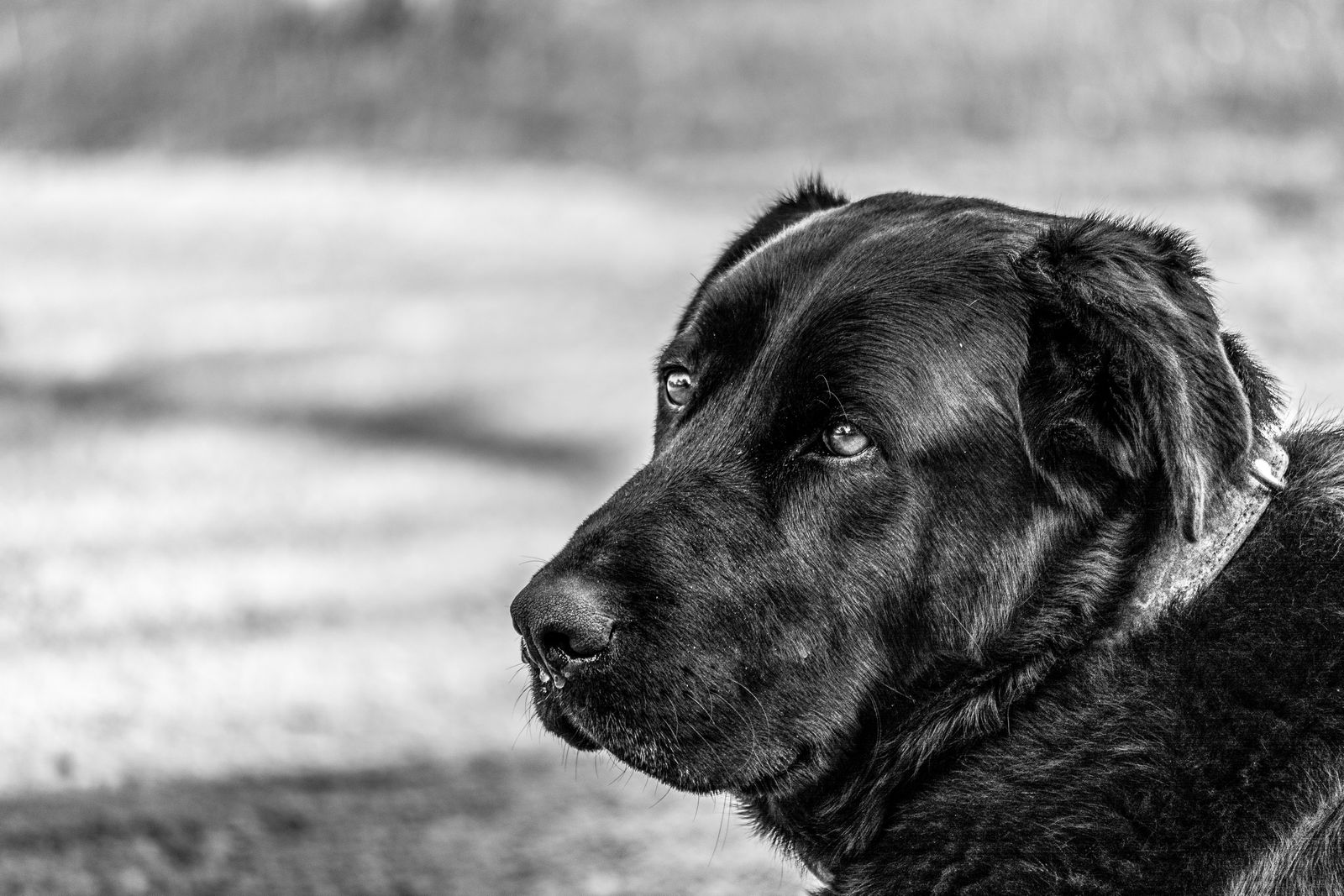
She stands at the wrong side of the door. She stares at a wall you’ve watched her stare at before. She paces the hallway at 2 a.m., restless in a way that has nothing to do with needing to go out. If this sounds familiar, you’re not imagining it — and you’re not alone.
Canine cognitive dysfunction (CCD) — dog dementia — is one of the most common and most under-recognized conditions of very old dogs. This guide covers the 10 signs, the new 2026 veterinary guidelines for diagnosis and monitoring, how vets actually diagnose it, what can genuinely help (graded honestly by evidence), and how to care for a dog with dementia at home. For the broader behavior picture, see our senior dog behavior changes guide.
Key takeaways
- Veterinarians organize CCD signs with the DISHAA acronym — Disorientation, Interaction changes, Sleep–wake changes, House-soiling/learning/memory, Activity changes, Anxiety. One sign proves nothing; a cluster across categories, developing over months, is what vets screen for.
- It’s common: 28% of 11–12-year-olds and 68% of 15–16-year-olds showed impairment in at least one behavioral category (Neilson et al., 2001, published in JAVMA, 180 dogs aged 11–16).
- The new 2026 CCDS guidelines move screening earlier: routine behavioral screening from age 7, and a full CCDS scale every 6 months from age 10.
- There is no blood test or scan that confirms CCD in a living dog — diagnosis is a structured rule-out process. Sudden disorientation is a different problem and needs urgent veterinary evaluation, not a dementia workup.
- There is no cure, but early intervention genuinely slows progression: selegiline (Anipryl) is the only FDA-approved medication for CCD, and enriched nutrition plus daily mental enrichment have controlled evidence behind them.
What is canine cognitive dysfunction?
Canine cognitive dysfunction is a progressive neurodegenerative condition of aging dogs — a decline in learning, memory, perception, and awareness, with brain changes (including beta-amyloid plaques) strikingly similar to early Alzheimer’s disease in humans. It is a diagnosis of exclusion: vets arrive at it by ruling out the medical conditions that mimic it.
How common is it? The landmark prevalence study (Neilson, Hart, Cliff & Ruehl, 2001, published in the Journal of the American Veterinary Medical Association) assessed 180 dogs aged 11–16 with no identifiable health problems:
- 28% of 11–12-year-olds showed impairment in at least one behavioral category; 10% showed severe impairment (two or more categories)
- 68% of 15–16-year-olds showed impairment in at least one category; 35% showed severe impairment
Newer reporting puts the upper end even higher: Texas A&M veterinary clinician Joel White noted in September 2026 that CCD signs can appear as early as age 8 (roughly 10% affected), with prevalence rising to about 80% in dogs over 18. Using a stricter clinical threshold, the University of Washington’s Dog Aging Project found about 3% of 11,574 dogs scored above the cutoff (via Dogster).
The takeaway is consistent across every source: by the mid-teens, some degree of cognitive change is more common than not — and owners consistently under-report early signs, dismissing them as “just old.” Earlier onset is possible, especially in large breeds that age faster. If your very old dog seems “just old,” it’s worth screening rather than assuming.
What are the 10 signs of dementia in dogs?
Veterinarians organize CCD signs with the DISHAA acronym — Disorientation, Interaction changes, Sleep–wake changes, House-soiling/learning/memory, Activity changes, Anxiety — and one sign alone proves nothing; a cluster across categories, developing over months, is what vets screen for. Here are the 10 signs owners notice most, roughly two per category:
D — Disorientation
1. Getting lost in familiar places. Wrong side of a familiar door, confused by long-familiar furniture, lost on a walk route they’ve done a thousand times.
2. Staring at walls or getting stuck. Standing motionless facing a wall or corner, or wedging behind furniture and seeming unable to back out — a cognitively intact dog doesn’t get “stuck” by a chair.
I — Interaction changes
3. Withdrawal from the family. Less greeting at the door, less soliciting of petting, choosing to lie alone — the social spark dims because the brain processes social cues poorly.
4. New clinginess, irritability, or anxiety. The flip side: some dogs become Velcro dogs, following anxiously; others grow irritable when handled. Both reflect a brain that’s losing its ability to predict and feel safe.
S — Sleep–wake cycle changes
5. Restless and vocal at night. Pacing, whining, or barking after dark while sleeping through the day — the “sundowning” pattern borrowed from human dementia care.
6. Sleeping far more during the day. Beyond normal senior napping: difficulty rousing, sleeping through meals or walks they once loved. (Sudden excessive sleepiness alone can also signal medical issues — a vet-visit trigger regardless.)
H — House-soiling, learning, and memory
7. Accidents in a reliably housetrained dog. The dog knows the rules; the brain is losing the sequence — recognizing the urge, signaling, navigating to the door in time.
8. Forgetting how to “ask” — and forgetting learned behaviors. Standing at the wrong door, signaling too late, eliminating right after coming inside, or losing responsiveness to once-reliable cues. This is cognitive, not defiant — punishment is both cruel and useless here.
A — Activity changes
9. Repetitive behaviors. Pacing fixed routes, circling, licking surfaces or paws compulsively, staring into space. Repetition replaces purpose as executive function fades.
10. Blank staring and lost interest. The “lights are on” look with nobody home — decreased curiosity about toys, walks, or visitors. Apathy is as much a CCD sign as restlessness; the two often alternate in the same dog.
The DISHA checklist (save this for the vet visit):
| Sign observed? | DISHA category |
|---|---|
| Lost in familiar places / wrong side of door | Disorientation |
| Stares at walls, gets stuck in corners | Disorientation |
| Less greeting, less interest in petting | Interaction |
| New clinginess, anxiety, or irritability | Interaction (+Anxiety) |
| Awake/restless/vocal at night | Sleep–wake |
| Sleeps excessively during the day | Sleep–wake |
| House-soiling in a trained dog | House-soiling |
| Forgetting cues, routines, how to ask out | Learning & memory |
| Repetitive pacing, circling, or licking | Activity |
| Blank staring, loss of interest in play | Activity |
Mark what you’ve seen and bring it to the appointment — with dates if you can. A checklist with a timeline is the most important part of the diagnostic visit.
What’s new in how vets diagnose and monitor CCD?
In late 2025, veterinary medicine got its first formal CCDS guidelines — and they move the whole approach earlier: routine behavioral screening from age 7, before owners notice anything wrong. If your vet mentions DISHAA forms at a senior checkup, this is why.
The Canine Cognitive Dysfunction Syndrome Working Group — veterinary neurologists and behaviorists led by NC State’s Natasha Olby, with contributors from Cornell, Colorado State, the University of Washington, and the Senior Dog Veterinary Society — published The CCDS Working Group guidelines for diagnosis and monitoring of canine cognitive dysfunction syndrome in the Journal of the American Veterinary Medical Association (Dec 2025; DOI: 10.2460/javma.25.10.0668), announced by NC State in January 2026. The key recommendations for owners to know:
- Annual behavioral screening from age 7 onward — a short senior-health form that establishes your dog’s behavioral baseline, so deviations stand out early
- Screening every 6–12 months once started; from age 10, a full CCDS scale every 6 months, since changes in an individual’s score reveal their trajectory
- DISHAA recommended for ease of clinical use; the Canine Dementia Scale (CADES), the Canine Cognitive Dysfunction Rating scale (CCDR), and the Canine Cognitive Assessment Scale are alternatives your vet might use
- A diagnostic flowchart with two levels of diagnostic certainty, and three defined severity levels (mild to debilitating) to standardize what “early” and “advanced” mean
- Blood biomarkers (neurofilament light, amyloid proteins) are measurable but not yet validated for clinical use — behavioral screening remains the tool that matters
Why this changes things: historically, CCD was diagnosed late, when signs were obvious and the treatment window had narrowed. The guidelines’ explicit goal is early recognition through routine screening — because CCD responds best to early intervention, and the months owners spend hoping it’s “just age” are months of lost treatment window.
How is CCD diagnosed?
There is no blood test or scan that confirms CCD in a living dog — diagnosis is a structured rule-out process, and understanding it helps you get the most from the visit. Following the new guidelines’ flowchart, the workup typically runs:
- History. Your DISHA checklist, timeline (“when did you first notice?”), and phone video of the behaviors. Still the most important part.
- Physical and neurological exam. Gait, reflexes, cranial nerves — checking whether “disorientation” is actually vestibular disease or vision loss.
- Bloodwork and urinalysis. Screening for the great mimics: hypothyroidism, kidney disease, liver disease, diabetes, and Cushing’s disease can all produce CCD-like signs. Pain assessment matters here too — see how to tell if your senior dog is in pain.
- Blood pressure. Hypertension in seniors can cause disorientation-like signs and is treatable.
- Imaging if indicated. X-rays or MRI when the vet suspects a brain tumor, stroke, or other structural cause — not routine, but important when signs are sudden or asymmetric.
Definitive confirmation of CCD is only possible post-mortem (brain pathology), so in practice your vet makes a presumptive diagnosis: consistent history + everything else ruled out. That word is honest, not evasive — and it’s actionable: treatment starts as soon as the mimics are excluded.
One emphasis every veterinary source repeats: CCD is gradual. A dog who is fine Monday and profoundly disoriented Tuesday needs urgent evaluation — more likely vestibular disease, stroke, or toxicity than dementia.
Can dementia in dogs be treated or slowed?
There is no cure for CCD — but “no cure” is not “nothing helps.” Early intervention genuinely slows progression and improves quality of life, and the evidence behind each option varies widely. Here’s the honest grading:
Medication — selegiline. Selegiline hydrochloride (brand name Anipryl) is the only drug FDA-approved specifically for canine cognitive dysfunction syndrome. It increases dopamine availability in the brain and has shown improved alertness and reduced signs in clinical trials. It doesn’t work for every dog, takes weeks to show effect, and requires veterinary prescribing and monitoring — including checking interactions with other medications, since selegiline can interact dangerously with certain antidepressants and pain drugs. This is a vet conversation, not an internet purchase.
Therapeutic nutrition. Diets enriched with antioxidants, omega-3s (EPA/DHA), L-carnitine, and in some formulas medium-chain triglycerides have shown cognitive benefits in aging-dog research — the beagle studies by Milgram and colleagues are the landmark work. GoodRx’s veterinary guide notes Purina’s NeuroCare and Hill’s b/d as the formulated options; your vet should choose and monitor them. Broader picture: senior dog nutrition guide.
Environmental enrichment. The other half of the Milgram findings: mental stimulation plus nutrition beat either alone. Daily training (even two-minute sessions), food puzzles, sniff walks, novel-but-gentle experiences. Enrichment isn’t just “nice” — it’s one of the few interventions with controlled evidence behind it.
Supplements. SAMe has shown decreased CCD signs in small studies; phosphatidylserine blends (e.g. Senilife), omega-3s, and apoaequorin (Neutricks) are widely used with plausible rationale and modest evidence — Dogster’s veterinary-sourced overview and Lemonade’s CCD guide cover the same lineup. Reasonable to discuss with your vet; not reasonable to expect miracles from, and supplements can interact with medications.
What doesn’t help: punishment for accidents or confusion, “brain games” marketed without evidence, megadose supplement stacks assembled without veterinary input, and waiting — CCD responds best to early intervention.
What does CCD progression look like?
CCD unfolds in rough stages over months to a couple of years — early subtlety, middle undeniable-but-manageable, late intensive — but the timeline varies enormously between dogs, and progression is rarely a straight line. Knowing the arc helps you plan rather than just react.
Early stage. Subtle and easy to dismiss: slightly slower to respond to cues, a bit more nighttime wakefulness, occasionally going to the wrong door. The dog is still themselves — engaged, affectionate, functional. This is the highest-value window for intervention: vet assessment, selegiline discussion, enrichment ramp-up, diet review. Months spent here on treatment are months of better cognition banked.
Middle stage. DISHA signs become undeniable: regular nighttime pacing or vocalizing, house-soiling episodes, getting stuck or staring, noticeable withdrawal or new anxiety. Daily life needs scaffolding — strict routine, nightlights, non-slip floors, scheduled potty breaks, supervised outdoors. Many dogs stabilize here for a long time with good management; “stable with support” is a genuine and common outcome.
Late stage. Profound disorientation, loss of housetraining, inability to recognize family members at times, disrupted sleep that exhausts everyone, sometimes loss of interest in food. Care becomes intensive and the focus shifts fully to comfort, safety, and quality of life.
Two honest notes about the late stage. First, dogs have better and worse weeks — a bad week isn’t necessarily the new baseline, so track the trend over weeks, not days. Second, there comes a point where the kindest question isn’t “what else can we try?” but “is she still experiencing more good than bad?” — assessed day by day, with your vet’s honest input. Vets often use the HHHHHMM quality-of-life scale (hurt, hunger, hydration, hygiene, happiness, mobility, more good days than bad) for exactly that conversation.
How do I care for a dog with dementia at home?
Daily life with a CCD dog is about reducing the cognitive load on a failing brain — routine, safety, and predictability do more than any gadget. The practical checklist:
- Ruthless routine. Same feeding times, same walk route, same bedtime, same door for potty trips. Predictability is the single most powerful anti-anxiety tool for a confused dog.
- Don’t rearrange the furniture. A dog navigating by memory can’t afford a new obstacle course. Keep pathways clear and layouts fixed.
- Nightlights. Hallways, the path to the water bowl, the dog’s bed. Fading senses plus confusion make darkness genuinely frightening.
- Non-slip everything. CCD dogs already struggle with spatial awareness; slick floors turn confusion into falls. Runners on main paths, mats at the bed and bowls.
- Block hazards. Baby gates on stairways; block access behind furniture where dogs get wedged. Supervise outdoor time — disoriented dogs wander through open gates, into roads, into pools.
- More frequent potty breaks. Don’t wait for a signal the dog may no longer send. Scheduled outings every few hours prevent most accidents — and meet them with calm cleanup, never scolding.
- Keep them close at night. Isolation worsens sundowning anxiety. A bed in your room (see our essential products and orthopedic bed picks), white noise, and a calm pre-bed routine help more than you’d expect.
- Gentle daytime activity. Short sniff walks and easy food puzzles during the day consolidate better nighttime sleep — the same sleep-hygiene logic that works for humans.
- Track the trajectory. A monthly one-line note — “October: pacing 2–3 nights/week, one accident” — tells your vet whether the plan is holding and informs the hardest future decisions honestly.
And take care of yourself in this. CCD caregiving is genuinely hard — the nighttime waking, the accidents, the grief of watching a mind fade while the body is still there. That grief is real and deserves support, not guilt. If you’re running on empty, say so at the vet visit: your capacity is part of the care plan.
When is it urgent — not dementia?
True CCD is gradual. Sudden disorientation is a different problem and needs urgent veterinary evaluation, not a dementia workup. Do not wait to see if it passes.
Seek urgent care if your senior dog develops: seizure; collapse; sudden inability to stand; severe weakness; rapid circling; head pressing; sudden blindness; loss of balance; repeated vomiting; difficulty breathing; severe pain; a dramatically altered level of awareness; or suspected toxin exposure. (This emergency list comes from veterinarian Dr. Duncan Houston’s AskAVet senior behavior guide.)
Sudden confusion can be caused by serious metabolic, cardiovascular, or neurological disease — several of which are treatable if caught quickly. “Wait and see” is the one response that can cost a dog their best outcome.
A note on review: This guide is written from veterinary literature (AAHA, VCA Hospitals, the MSD Veterinary Manual, the 2026 CCDS Working Group guidelines in JAVMA, Neilson et al. 2001) and follows our editorial policy. It has not yet been independently reviewed by a veterinarian — we’ll add a named reviewer byline when that step is complete.
Frequently asked questions
How fast does dog dementia progress?
It varies widely — months to a couple of years, and rarely in a straight line. Early intervention (medication, diet, enrichment) slows the trajectory, which is why the new 2026 guidelines push screening from age 7: prompt diagnosis matters more than the calendar. Track signs monthly so your vet can adjust the plan.
Is my dog suffering with dementia?
Not necessarily, especially early — many CCD dogs are comfortable with routine and vet-directed treatment. Suffering markers to watch: chronic anxiety that can’t be soothed, inability to rest, loss of all interest in food and interaction. Your vet can help assess quality of life honestly.
Can dementia in dogs come on suddenly?
True CCD is gradual — months of slowly accumulating signs. Sudden disorientation is more likely vestibular disease, stroke, intoxication, or another acute problem, and needs urgent veterinary evaluation, not a dementia workup.
What’s the difference between CCD and normal aging?
Normal aging is mild, stable forgetfulness in an otherwise engaged dog. CCD is progressive, multi-category decline — disorientation, broken sleep, house-soiling, personality change — that worsens over months. The DISHA checklist above draws the line, and the 2026 guidelines add formal screening scales (DISHAA, CADES, CCDR) to make it objective.
Does selegiline cure dog dementia?
No — nothing cures CCD. Selegiline (Anipryl), the only FDA-approved medication for it, can improve alertness and reduce signs in many dogs, but it’s management, not reversal. It requires veterinary prescribing and monitoring, including checking interactions with your dog’s other medications.
What should I ask my vet about CCD screening?
Ask whether your clinic does behavioral screening from age 7 (a short senior-health form), and full CCDS-scale screening every 6 months from age 10 — the cadence the 2026 guidelines recommend. Bring your marked DISHA checklist and any videos of unusual behaviors.
What should I NOT do with a dog with dementia?
Don’t punish accidents or confusion; don’t rearrange the home; don’t isolate the dog at night; don’t stack multiple new supplements without veterinary input; and don’t wait months hoping it’s “just age” — early intervention is the one factor most consistently linked to better outcomes.