
Best Waterproof Dog Collars That Won't Stink
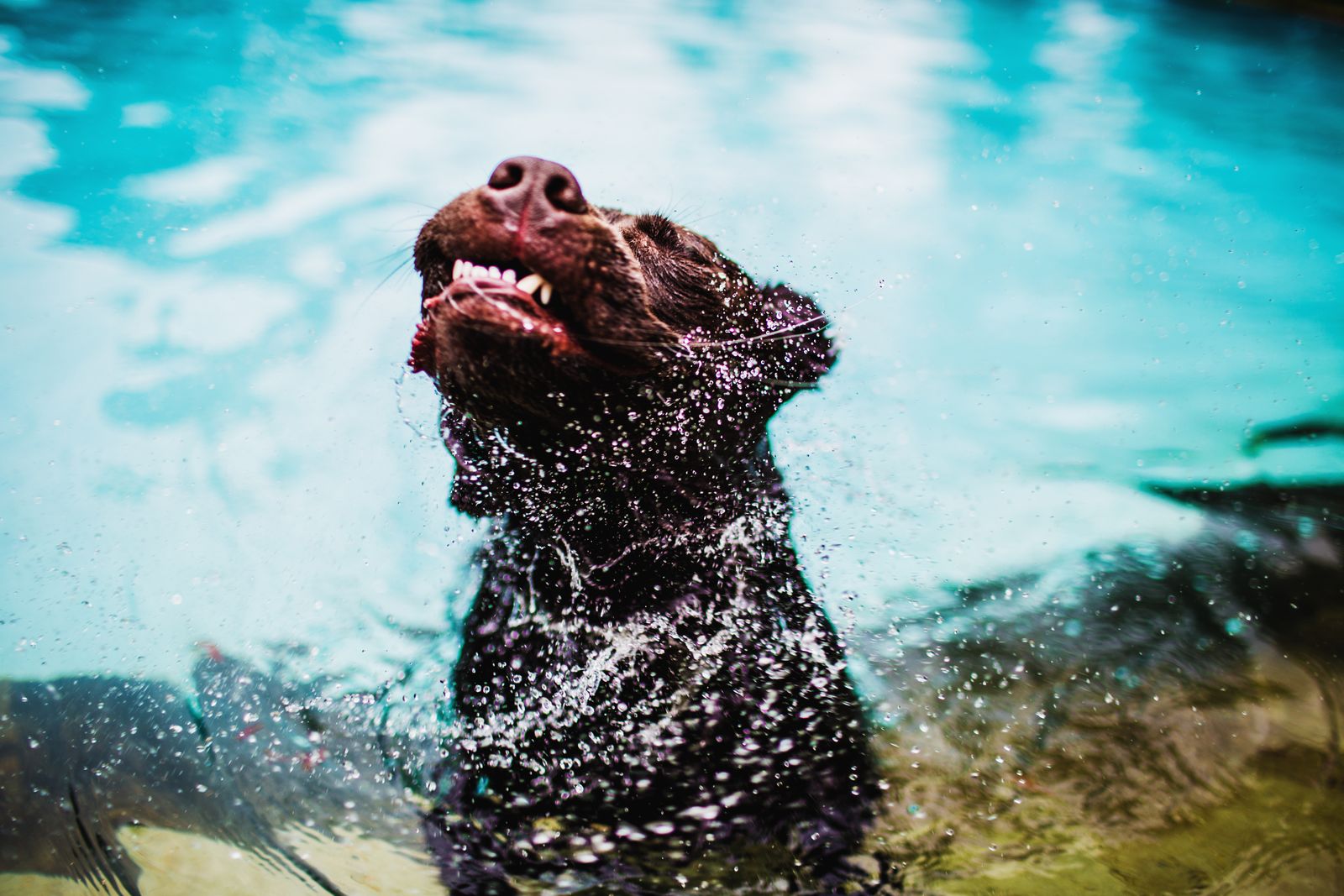
A standard nylon collar on a dog that swims is a slow-motion disaster: it stays damp for hours, breeds bacteria in the weave, and develops a sour smell that no washing fully removes. A perpetually wet collar against the skin can also irritate it, especially in older dogs with thinning skin. A waterproof collar — coated webbing that sheds water instead of absorbing it — solves all of this: it dries in minutes, doesn’t stink, and wipes clean. For a senior dog’s everyday comfort, it’s one of the simplest gear upgrades in our essential senior-dog products guide.
Key takeaways
- Buy coated webbing, not coated fabric: the Fable Signature has the strongest independent test record (dry in 10 minutes in CNN Underscored’s 2026 test,
$45), the Ruffwear Headwater is the adventure pick for serious swimmers ($30), classic Biothane wins on custom fit and value, and a budget PVC collar proves the concept cheaply. - Coated webbing dried in 10 minutes in CNN Underscored’s test while woven nylon collars needed six-plus hours — and the coated collar needed only a rinse where others required scrubbing.
- For saltwater, the hardware hierarchy is brass and stainless steel on top, anodized aluminum next, plastic last — always rinse the whole collar in fresh water after ocean or pool swims.
- Fit with the two-finger rule (two fingers snug between collar and neck — no more, no less), measure the neck and size to the chart, and recheck monthly as weight changes with age.
- For seniors, smooth coated webbing has no abrasive weave — a real comfort gain when neck skin thins; remove collars for crate time and use a harness for tie-outs.
Why does a regular collar stink after swimming?
Woven nylon is a sponge at the fiber level: it absorbs water, skin oils, and organic matter deep into the weave, where bacteria colonize and produce the sour “wet collar” smell that survives machine washing. Drying makes it worse — a thick nylon collar can take six or more hours to dry fully, giving bacteria a long warm window to multiply. Coated webbing has no weave for moisture to hide in, so there’s nothing to colonize; surface grime rinses off and the collar dries in minutes.
What makes a collar truly waterproof?
The material must be coated webbing, not coated fabric: Biothane (PVC-coated polyester webbing — the long-standing working-dog standard), TPU-coated webbing (the premium outdoor-brand variant), or PVC-coated nylon (the budget version). All three shed water, resist odor, and clean with a wipe because the coating is the structure, not a treatment. Be skeptical of “water-resistant” fabric collars with a spray-on coating — the coating wears off with use, and you’re back to a stinky nylon collar within a season. If the product page can’t name the webbing (Biothane, TPU-coated, PVC-coated), it probably isn’t waterproof.
Collars worth considering
Honest note: Hands-on testing with real dogs is planned — including water-soak, dry-time, and hardware-corrosion trials — but hasn’t happened yet. The comparisons below draw on published independent testing (explicitly attributed), verified owner reviews, and manufacturer specifications. Nothing below is presented as our own testing.
Fable Pets Signature Collar. The independent-test standout: in CNN Underscored’s 2026 testing of 14 collars, the Fable’s PVC-coated webbing was fully dry 10 minutes after washing — versus six or more hours for the nylon models — didn’t stretch under a 25-pound weight hung for several hours, and rinsed clean of caked mud without scrubbing. Aluminum hardware, metal rivets instead of stitching, and a buckle the testers could operate one-handed round it out. Around $45. The review-mined caveats: verified owners confirm the waterproofing and odor resistance, but several call it stiff out of the box, and one found it runs small — measure against the size chart, don’t size up casually.
Ruffwear Headwater. The adventure pick for dogs that live in the water: TPU-coated waterproof webbing, an all-metal anodized aluminum Crux buckle (a Conway-style buckle borrowed from horse tack), an aluminum V-ring, a separate ID-tag attachment with a silicone tag silencer, and reflective trim. Around $30. In a Trailspace gear review, the tester noted the coated webbing looks stiff but lies flat and is accepted by the dogs, the buckle snugs tighter when the collar is pulled (added grab security), and the reflective trim runs the full length. Sizes cover roughly 11”–26” necks.
Tuff Pupper Classic Heavy Duty. The strong-dog option: a 3mm ballistic-polymer weave with a leather-like grain, rust-proof brass hardware, and a lifetime guarantee against defects. Its listing describes the weave as far stronger than nylon or leather — treat that as a manufacturer claim, not a verified result, since we found no independent test data for it. The hardware choice is genuinely good for wet use (brass doesn’t rust), making it a reasonable pick for powerful pullers that destroy lesser collars. Typically a mid-budget option.

Biothane collars from hunting and outdoor makers. Classic Biothane remains the working-dog standard for reasons independent of any brand: it flexes in cold weather where some coatings stiffen, shrugs off mud and worse, and lasts for years. Small makers sell them in custom lengths, widths, and colors, often under $25 — the best route if you want a made-to-measure fit or a specific color, and the easiest way to get a martingale or hunting-style configuration in coated webbing.
CollarDirect waterproof (budget). PVC-coated nylon webbing with a plastic buckle and D-ring — the cheapest way to try the concept or keep a spare in the beach bag. The core job (no absorption, no stink) is genuinely handled, but plastic hardware is the weak point in sun and saltwater, and adjustment can loosen over time. Fine as a second collar; not the one for a daily swimmer.

What independent testing actually found
The most useful head-to-head data comes from CNN Underscored’s 2026 collar test, and its waterproof findings are unambiguous: coated webbing dried in 10 minutes while woven collars needed six-plus hours, and the coated collar needed only a rinse where others required stiff-bristle scrubbing. In CNN Underscored’s strength testing, the Fable Signature didn’t stretch under a 25-pound weight hung for several hours and its buckle didn’t slip — outperforming several other models. The same piece consulted trainers and a veterinarian on materials: the vet (identified as Apted) recommended BioThane as the best collar material, calling it completely waterproof and odor-resistant and noting its smooth surface is unlikely to harbor mildew, mold, or bacteria, needing only soap and water to clean. None of this is our testing — it’s CNN Underscored’s, and it’s the strongest evidence available for choosing coated webbing over woven fabric.
What owner reviews reveal
Verified-owner sentiment clusters around three themes: the waterproofing works as advertised, stiffness is the main comfort complaint, and sizing is inconsistent across brands. Fable owners repeatedly confirm the core promise — one verified buyer of a constantly muddy, wet dog reported dirt rinsing straight off with no absorbed odor — while the recurring criticisms are stiffness (one owner found it looked uncomfortable and reserved it for water outings) and small sizing. For the Ruffwear Headwater, the Trailspace reviewer’s long-term notes were positive on durability and the metal buckle, with the only learning curve being the Conway-style buckle threading. We found no substantial verified long-term review base for the Tuff Pupper or budget PVC collars — an honest gap, and a reason to weight those picks on specifications rather than reputation.
Hardware and saltwater: what survives the ocean?
The webbing is only half the collar — the buckle and D-ring decide whether it survives saltwater, and the hierarchy is brass and stainless steel at the top, anodized aluminum next, and plastic last. Salt and chlorine attack hardware faster than fresh water ever will: rinse the whole collar in fresh water after ocean or pool swims, and let it air-dry (minutes, not hours — that’s the point). Brass won’t rust and aluminum forms a protective oxide layer, which is why the Fable, Ruffwear, and Tuff Pupper picks all use metal hardware. Plastic buckles go brittle with enough UV and salt exposure — acceptable on a budget spare, a liability on a daily swimmer’s only collar.
Getting the fit right
Measure the neck where the collar sits, size to the chart, and apply the two-finger rule: two fingers snug between collar and neck — no more, no less. A waterproof collar that’s too loose slides and chafes; too tight traps moisture against the skin and defeats the comfort advantage. Check the fit monthly, because weight changes with age and a collar that fit a lean young dog can tighten on a thicker-necked senior. Remove collars for crate time (tags and buckles can catch), and use a harness rather than a collar for tie-outs or long lines.
Senior-dog notes
For older dogs, a waterproof collar’s quiet advantage is skin comfort: smooth coated webbing has no abrasive weave, which matters when neck skin thins and sensitivities rise with age. If irritation appeared under an old nylon collar, switching to coated webbing with a correct fit often resolves it — but persistent redness, hair loss, or sores deserve a vet’s look, as our senior health guide covers; don’t assume every skin issue is the collar’s fault. And if your senior wanders — a real risk with canine cognitive dysfunction — a collar with a secure buckle, legible ID tags, and reflective trim is the minimum; consider whether a GPS tracker belongs in the kit too.
How we evaluate (for now)
Until hands-on testing begins, every comparison above rests on three legs: published independent testing with named methodology, verified owner reviews, and manufacturer specifications — never our own untested claims. The published testing we drew on is CNN Underscored’s 2026 test of 14 collars (strength, cleaning, and waterproof/dry-time trials, plus trainer and veterinarian consultation). Owner-review signal came from verified-purchase reviews, framed with real observed patterns only — and where we found no substantial review base, we said so. Planned testing with real dogs will add water-soak and dry-time checks against standard nylon, odor comparison after repeated swims, hardware corrosion checks after saltwater exposure, and adjustment-slip tests when wet — at which point this methodology note gets replaced with actual results.
FAQ
Do waterproof collars really not smell?
Coated webbing doesn’t absorb water, oils, or bacteria the way woven nylon does, so the sour wet-collar smell doesn’t develop — this is confirmed both by CNN Underscored’s testing and by verified owners. Surface dirt can still accumulate, but it wipes off instead of soaking in.
Can my dog swim with a waterproof collar on?
That’s exactly what they’re for. Rinse with fresh water after saltwater or chlorinated pools to protect the hardware, and let it air-dry — which takes minutes, not hours.
What’s the difference between Biothane and TPU-coated collars?
Both are coated webbings that shed water. Biothane is PVC-coated polyester — the long-standing working-dog standard, very durable, with a huge color range from small makers. TPU-coated webbing (like Ruffwear’s) uses a thermoplastic polyurethane coating and is typically found on premium outdoor-brand collars. In practice, both perform excellently.
Will a waterproof collar help my dog’s irritated neck?
Often, yes — if the irritation comes from a perpetually damp nylon collar. Smooth coated webbing with a correct fit eliminates both the moisture and the abrasive weave. But persistent redness, hair loss, or sores need a vet’s look; don’t assume every skin issue is the collar’s fault.
How do I clean a waterproof collar?
Warm water, mild soap, wipe dry — that’s the entire selling point. Avoid harsh solvents that can degrade the coating over time.
Are waterproof collars good for everyday use, not just swimming?
Yes — that’s their best use case for most owners. Rainy walks, muddy hikes, drool, and food mess all wipe off a coated collar, so it stays fresh between adventures. Many owners switch to waterproof as their dog’s only collar and never go back to nylon.
Should I still use a harness too?
For many dogs, yes — a collar holds ID tags and is fine for calm leash walking, but a harness is better for pullers, tie-outs, and any dog with neck or trachea sensitivity. The collar and harness aren’t competitors; they do different jobs.
The bottom line
Buy coated webbing, not coated fabric: the Fable Signature has the strongest independent test record, the Ruffwear Headwater is the adventure-grade pick for serious swimmers, classic Biothane wins on custom fit and value, and a budget PVC collar proves the concept cheaply. Fit it with two fingers to spare, rinse after the ocean, and retire the era of the stinky collar. For the rest of a senior-ready gear kit, our essential products guide covers what pairs well with it.